MANIFESTO
Cities a re too grey.
Green arrives too slowly.
We wait for trees to grow
while heat, sealed surfaces and stress increase.
LIANAS TRELLIS is not decoration.
lt is spatial impact.
lt is not about reinventing the tree.
lt is about using what grows faster.
Climbing plants are resilient.
They grow vertically.
They adapt.
Green and shade can be designed.
Architecture does not have to be static.
lt can grow.
lt can change.
Less grey.
More green.



Geometric structures for growth
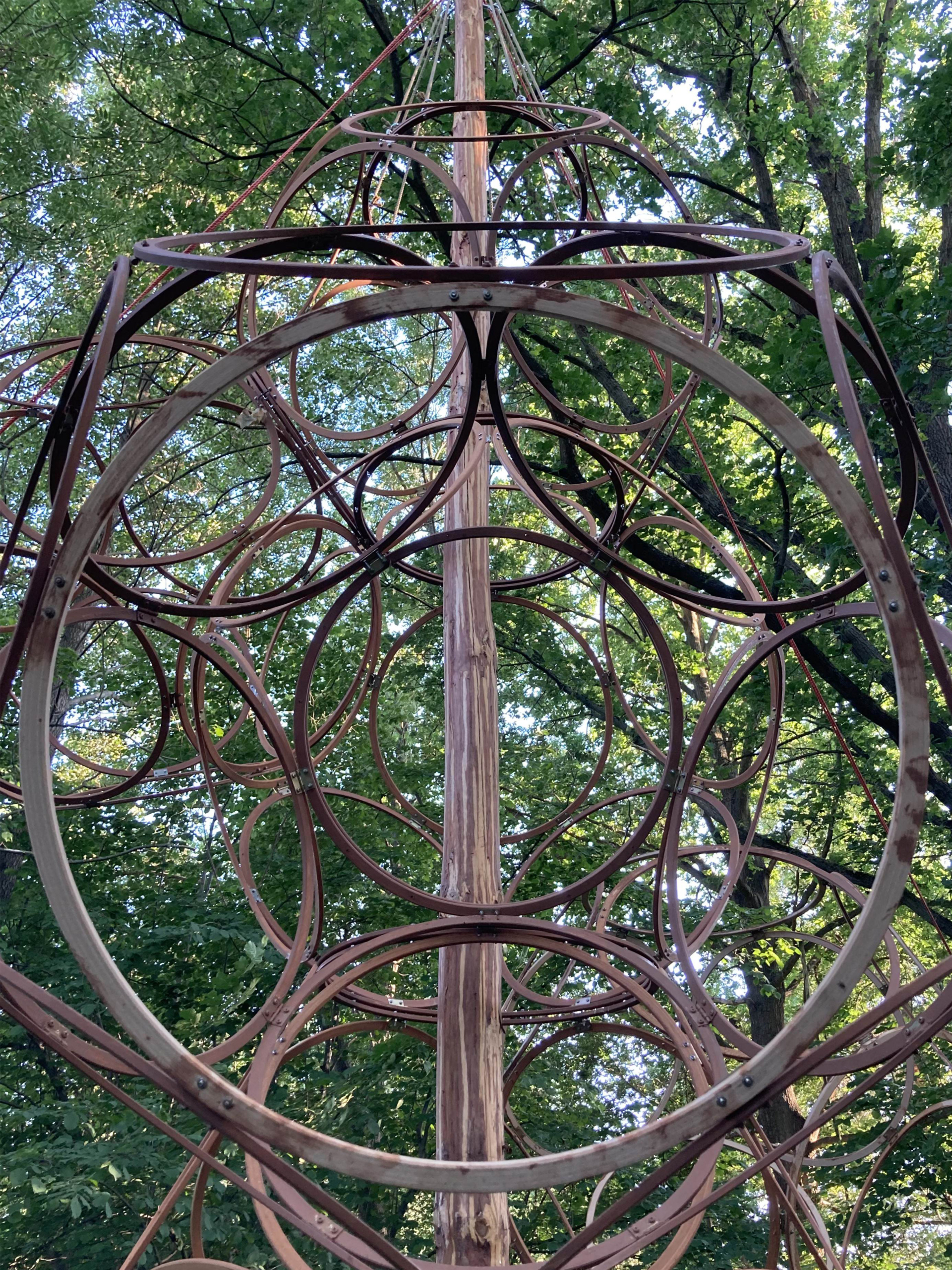
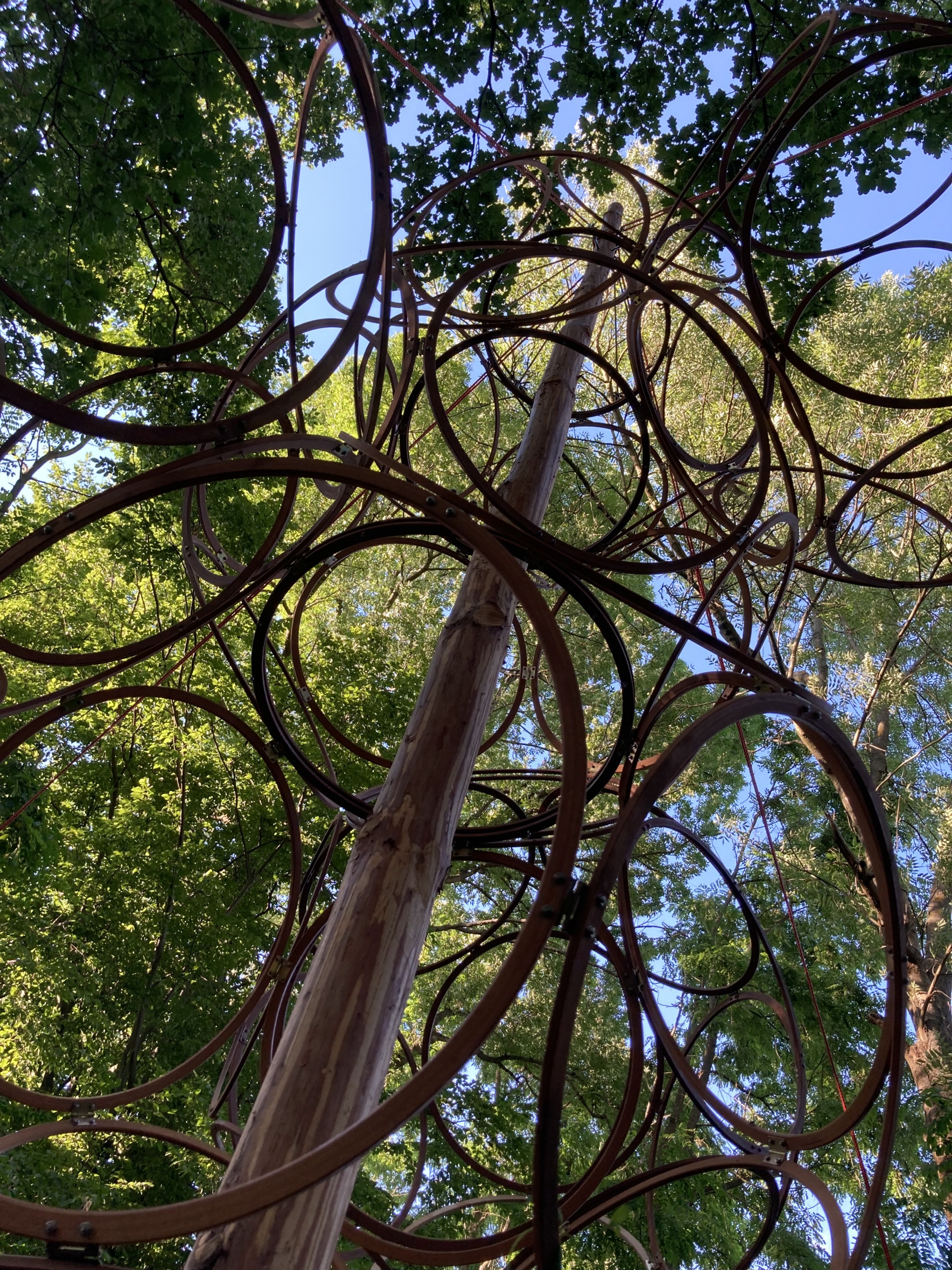
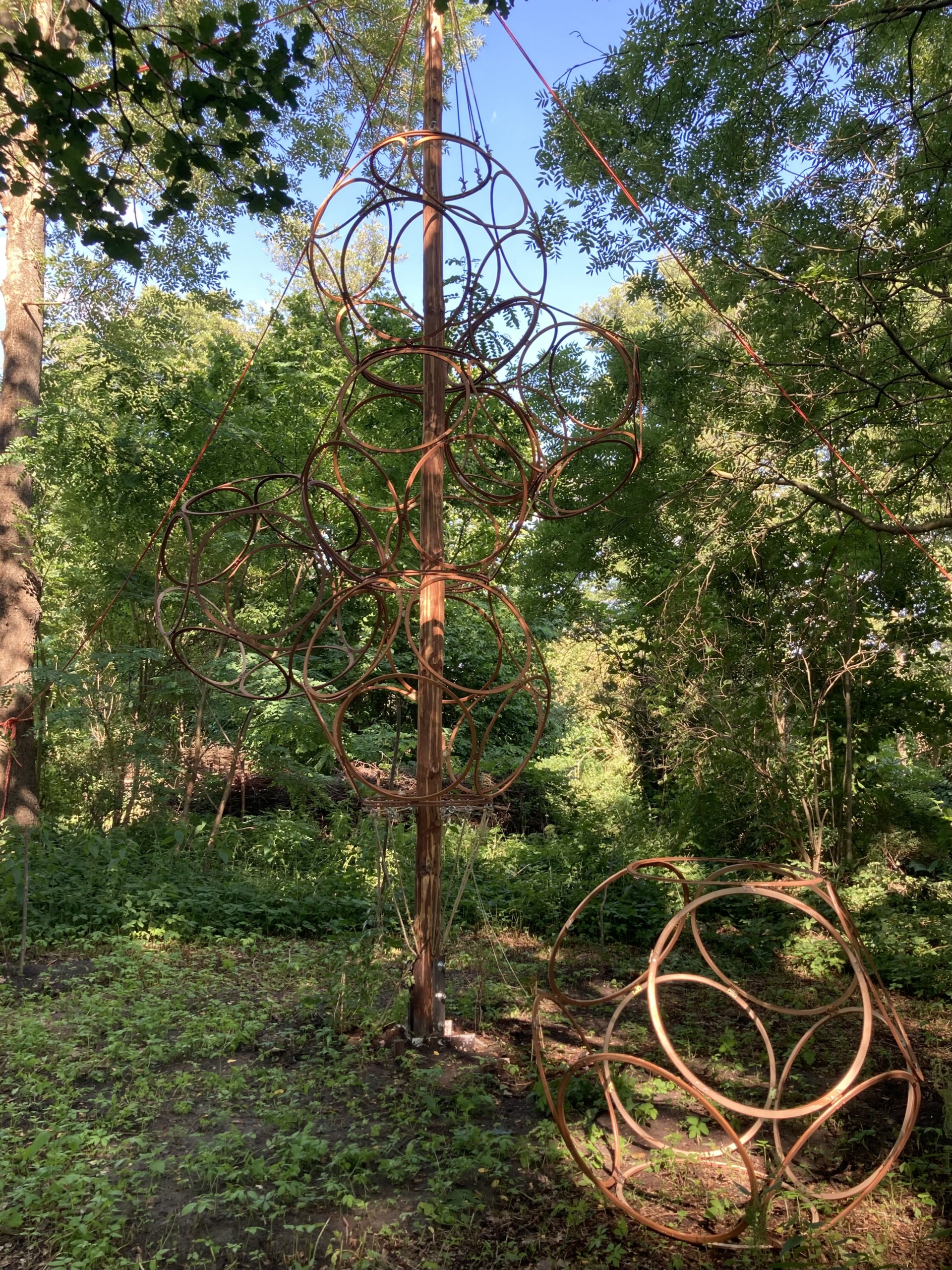
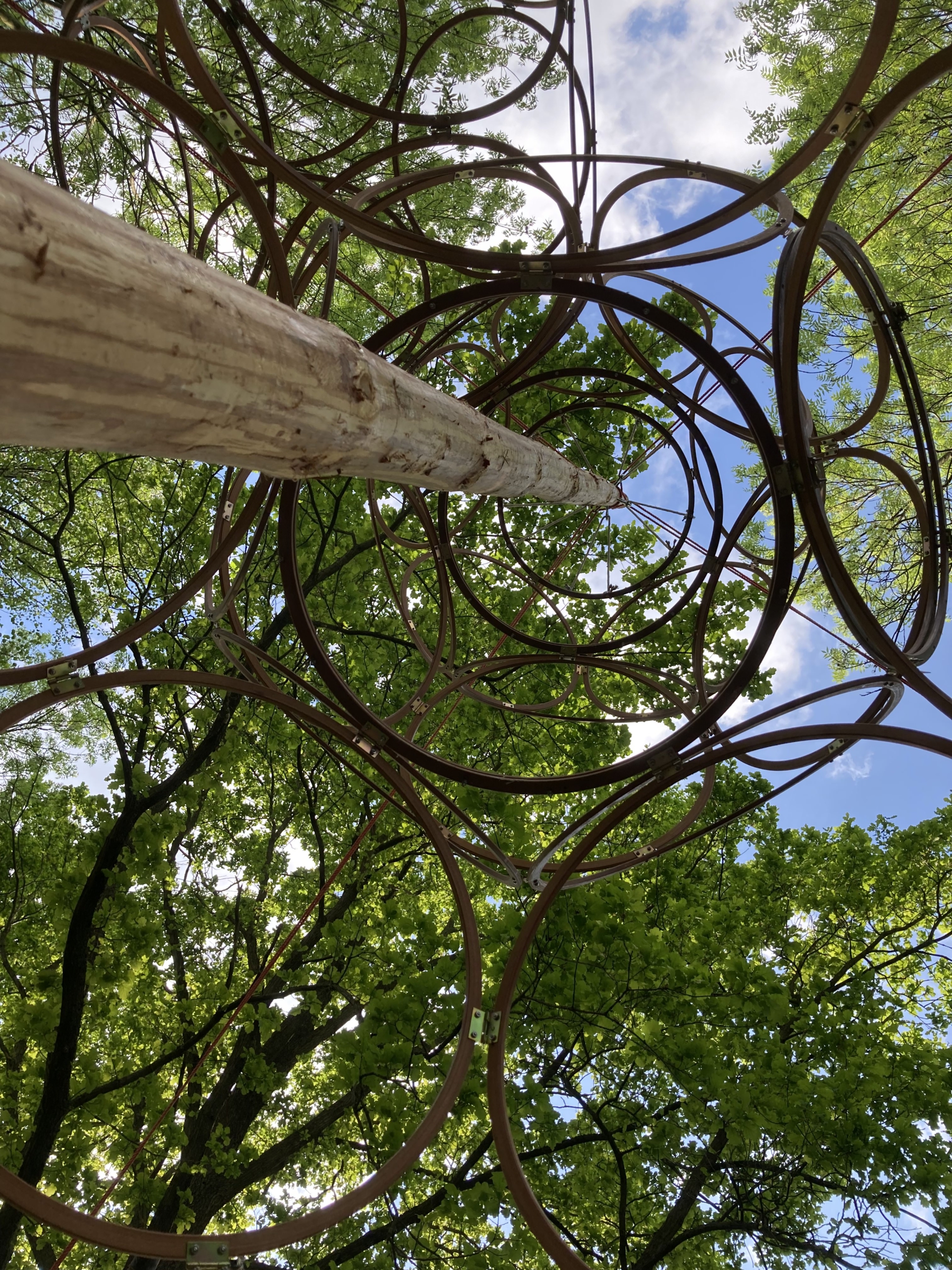
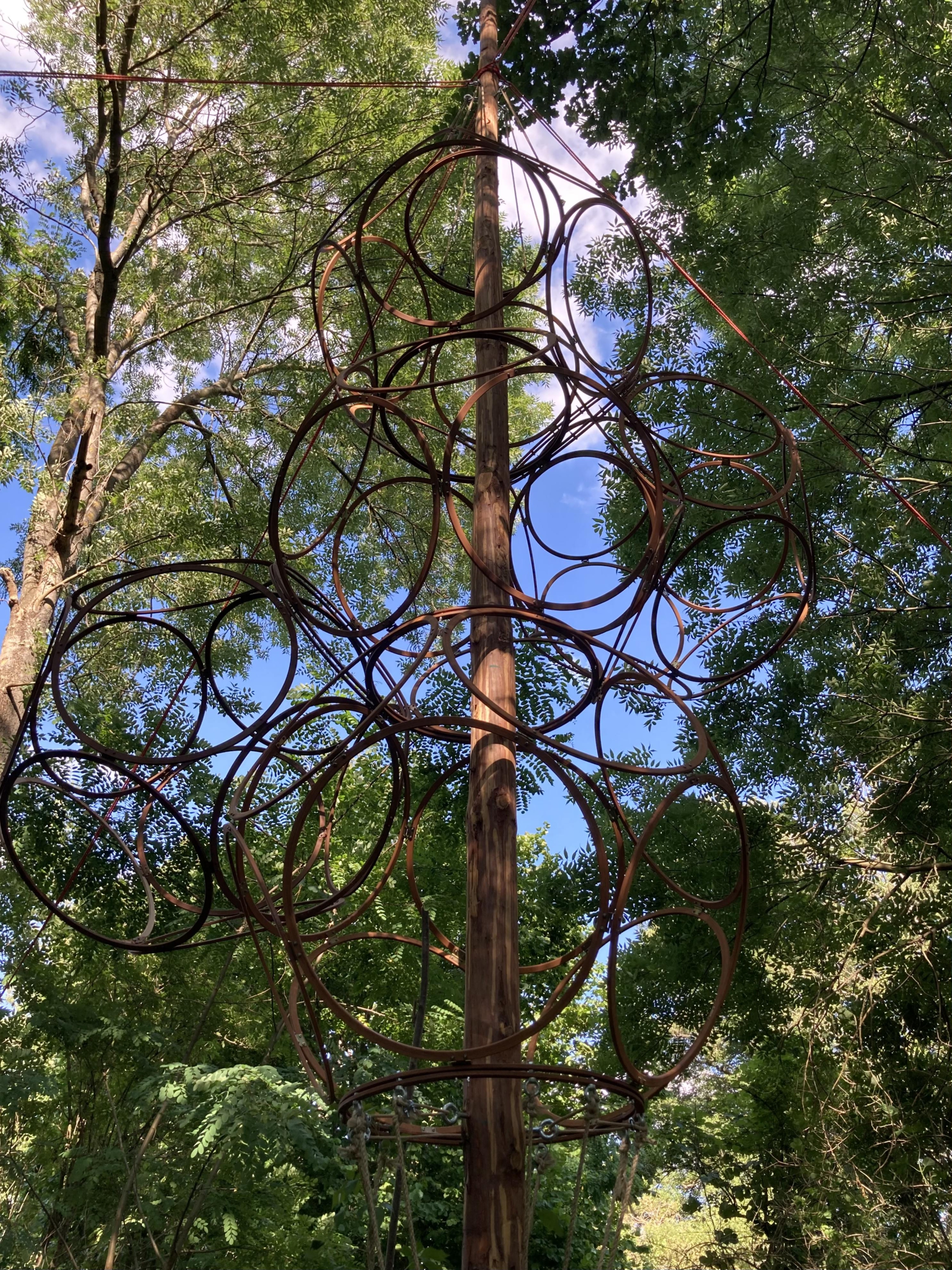
LIANAS TRELLIS is based on geometric spatial structures designed for climbing plants. The system uses modular polyhedral forms that systematically fill space while remaining open for the growth of the plants.
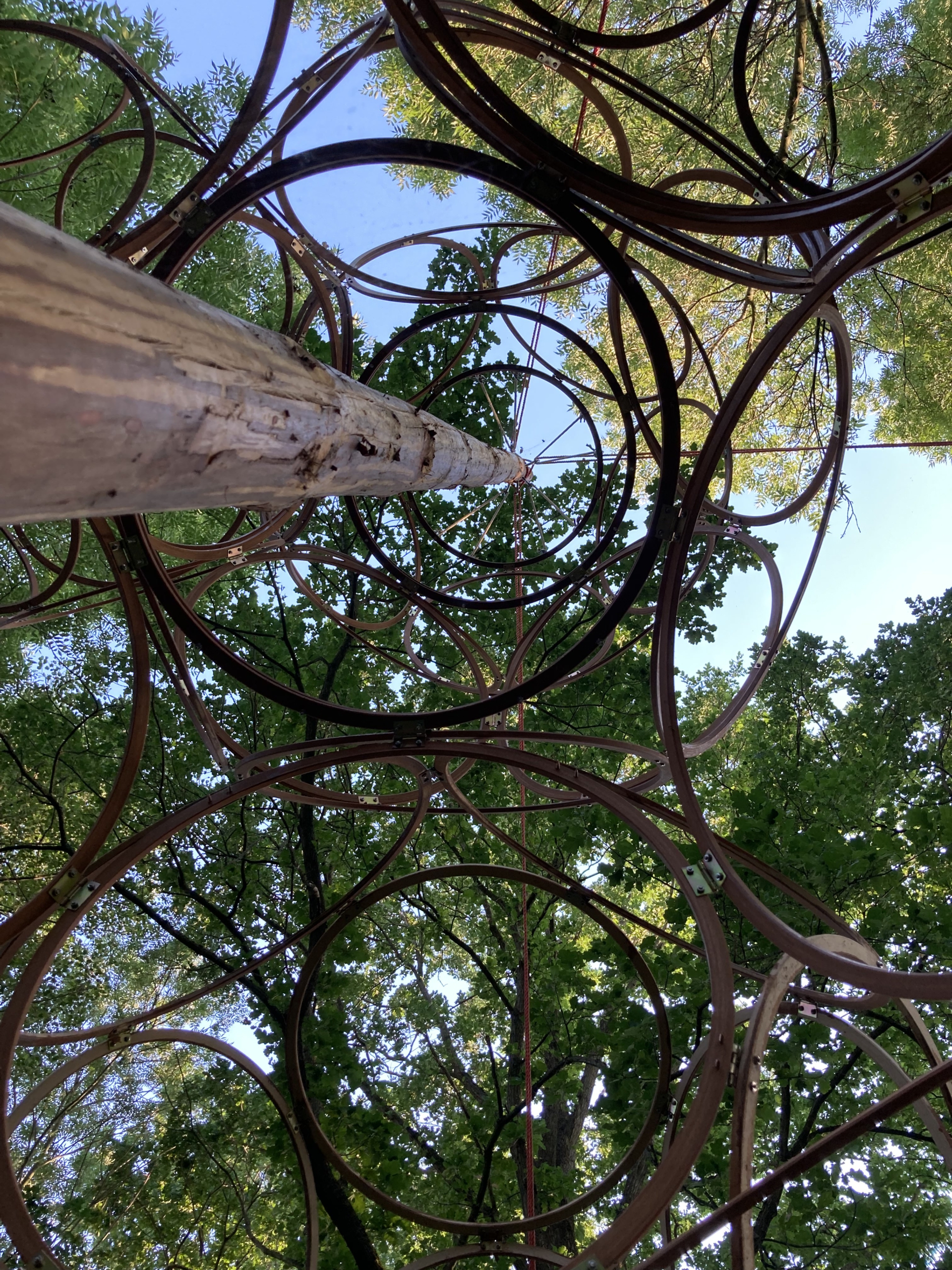
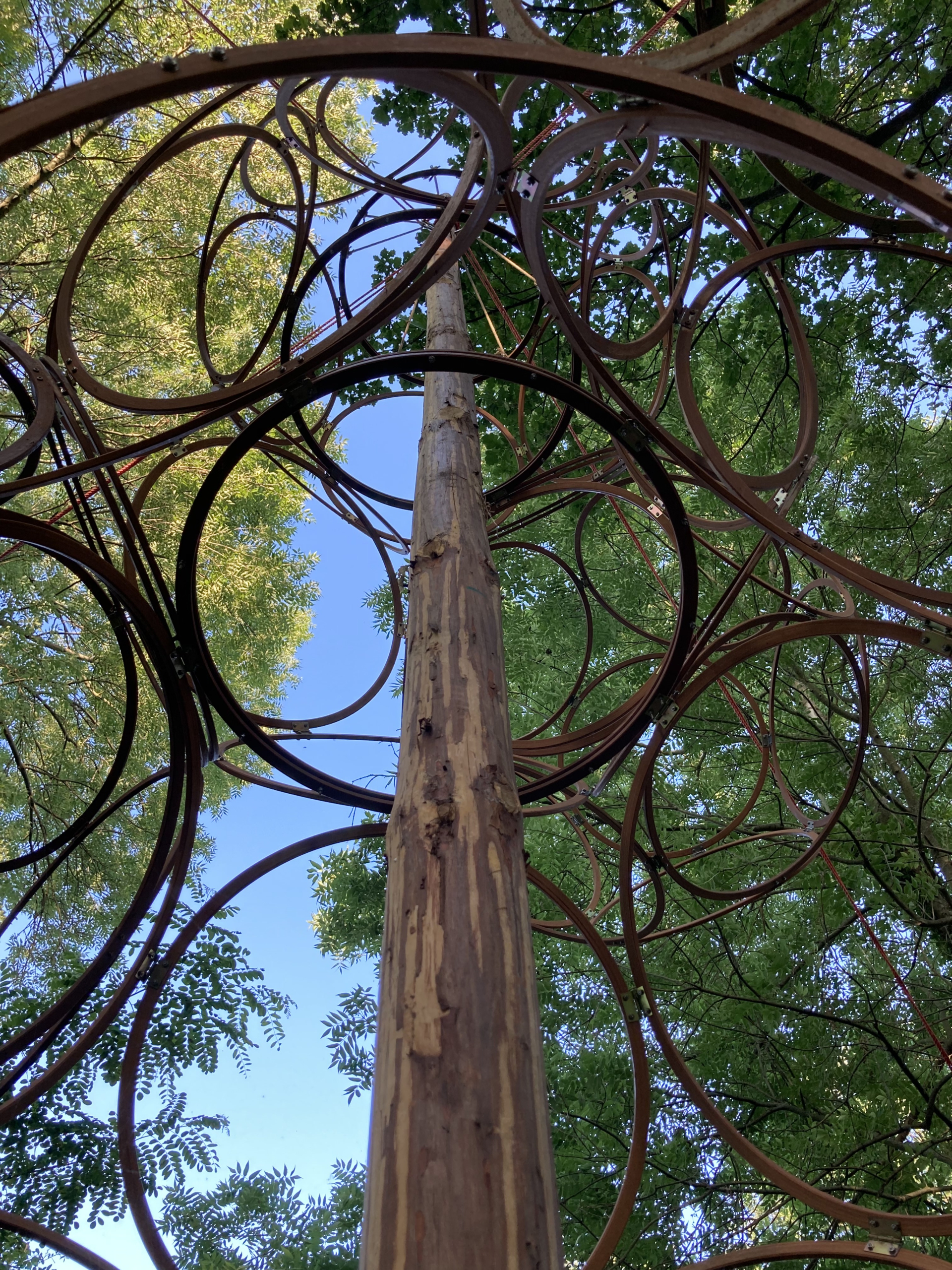
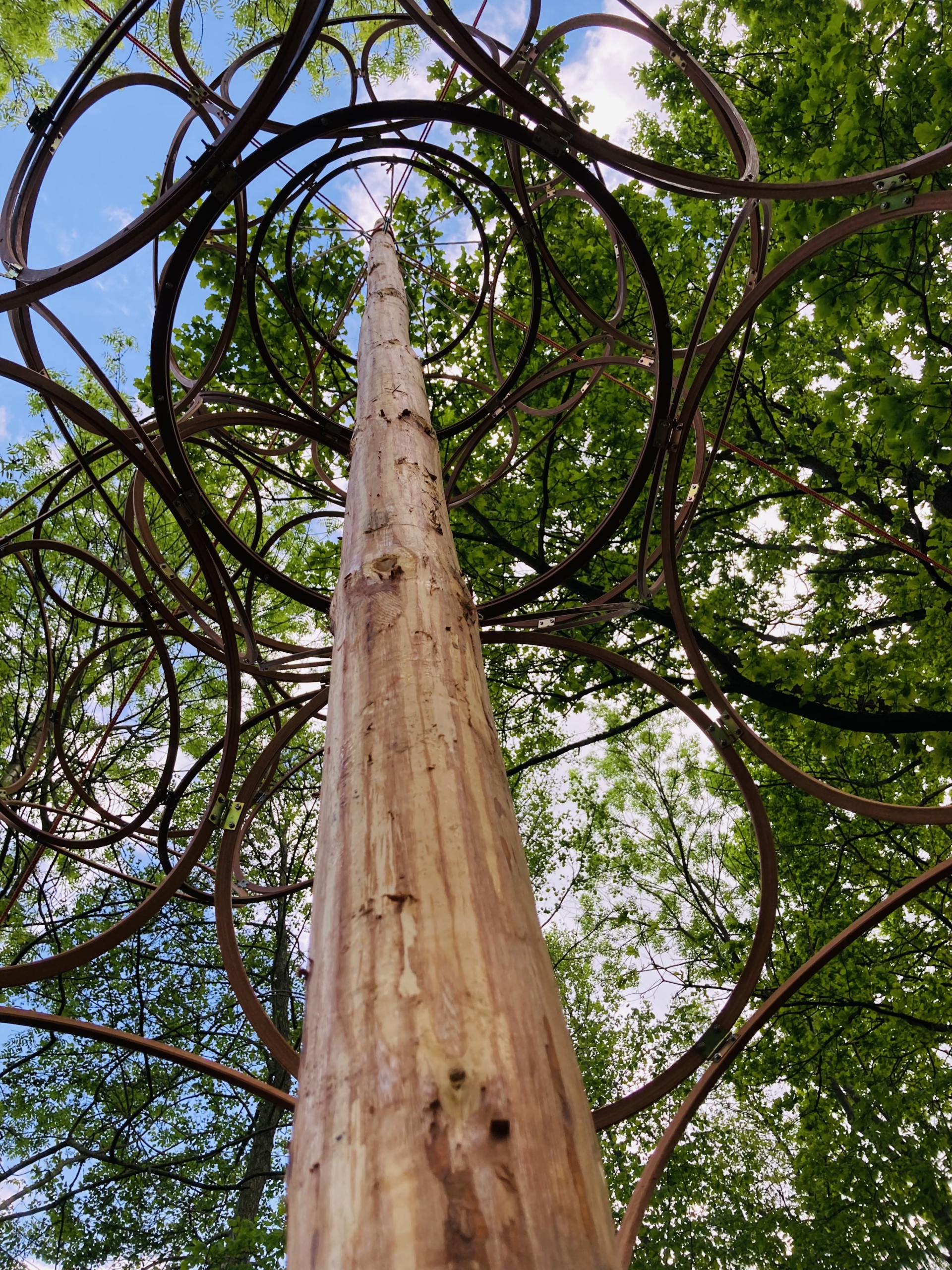
At the core of the system is the dodecahedron. Formed from interconnected rings, it creates a lightweight yet stable framework. This geometry allows modules to be combined vertically and horizontally, resulting in compact volumes with minimal material use.
Flexible, expandable, adaptable
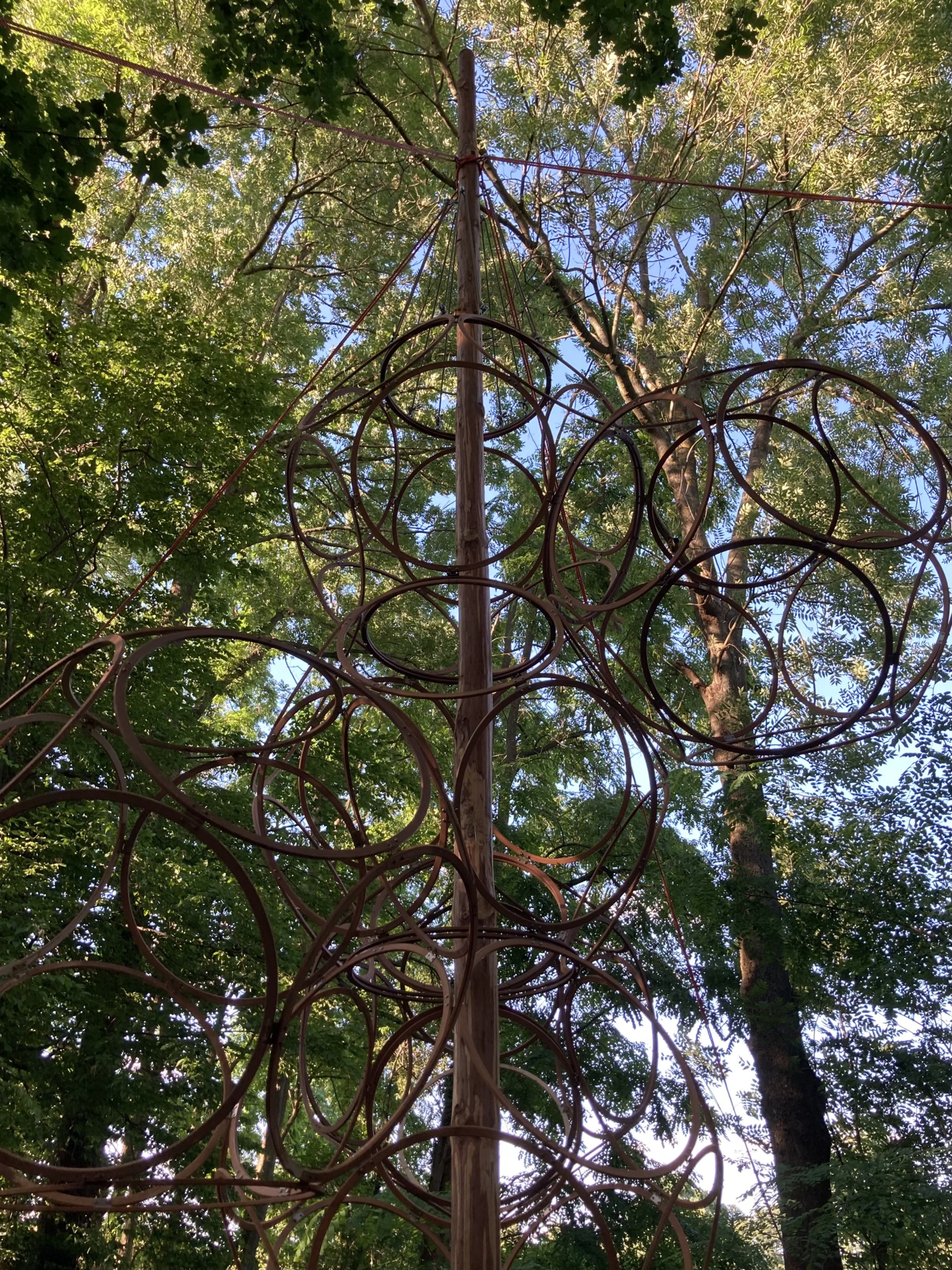
Thanks to its modularity, the structure can grow in height through additional central modules or expand sideways by attaching lateral modules. Even a small configuration can evolve into a complex spatial structure, adaptable to different urban conditions and scales.
Growth over time
Immediately after installation, the architectural trellis is visible and defines the space. Step by step, climbing plants take over and shape its character. Within a few years, previously open volumes are filled with greenery, providing shade and contributing to a cooler, more comfortable urban microclimate.
The appearance of LIANAS TRELLIS changes throughout the year. In summer, dense foliage creates shaded, cool spaces. In winter, the structure returns to a more open architectural expression. Growth and seasonal change are part of the design.
PLANTS TAKE THE LEAD
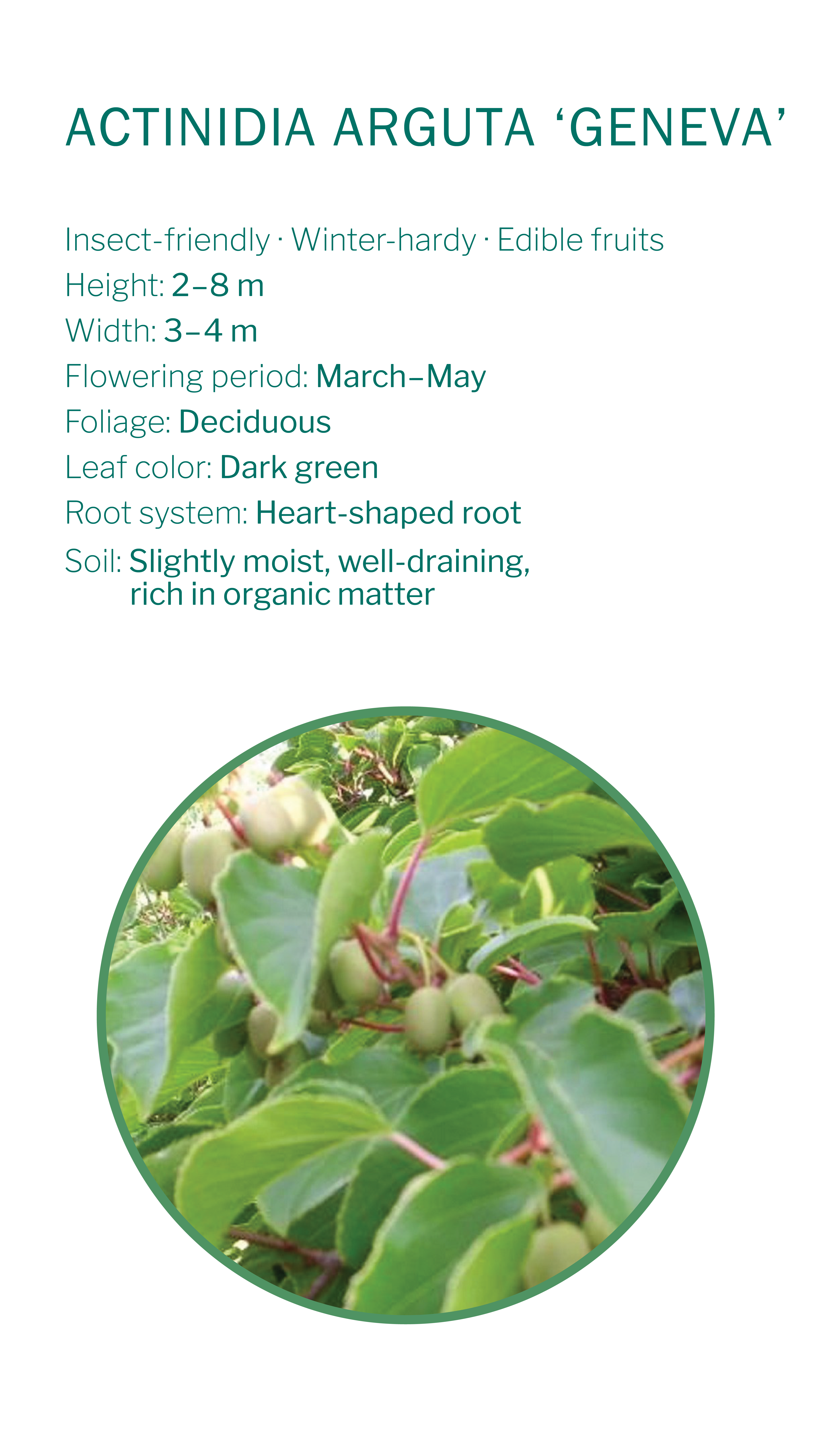
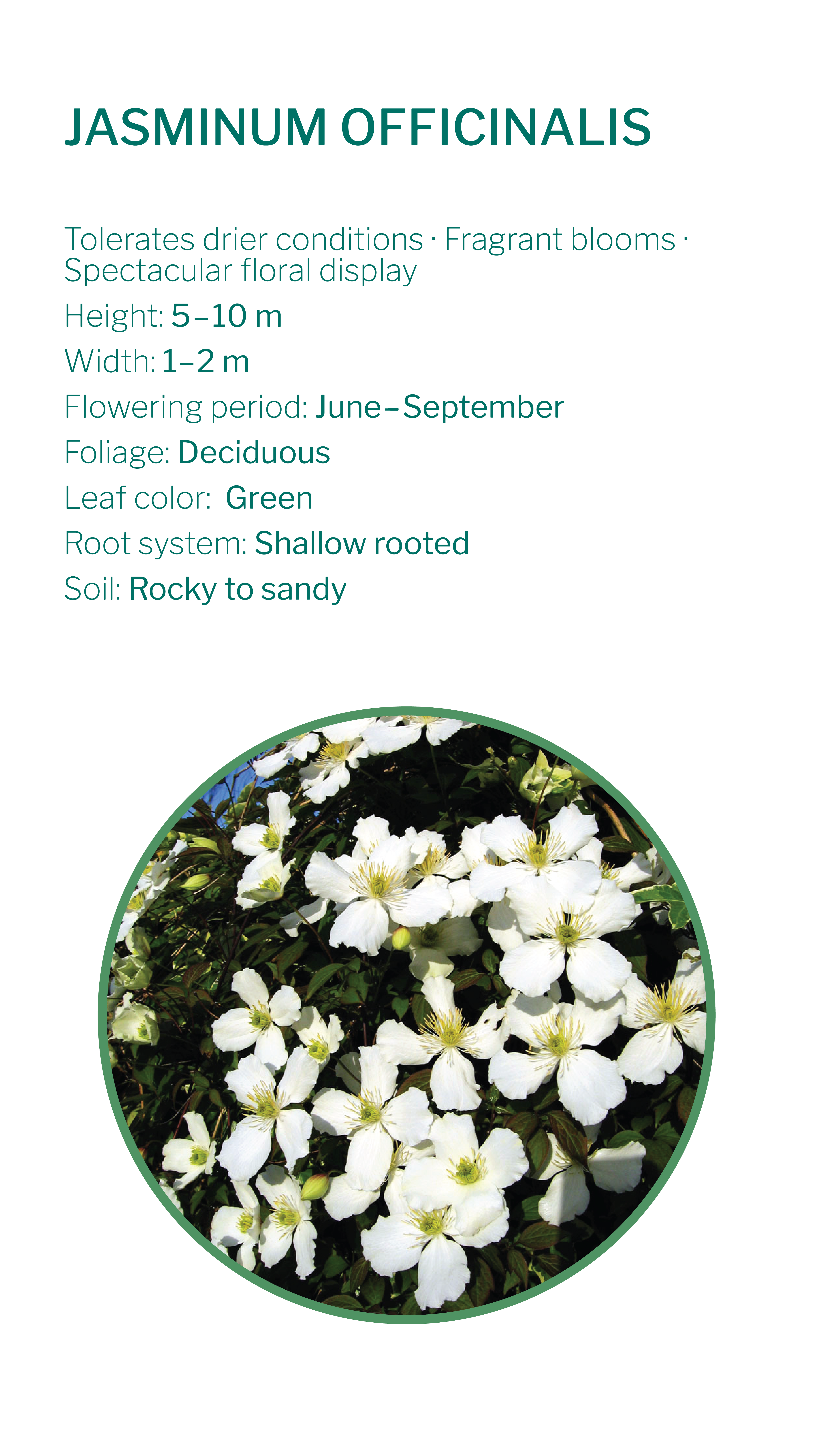
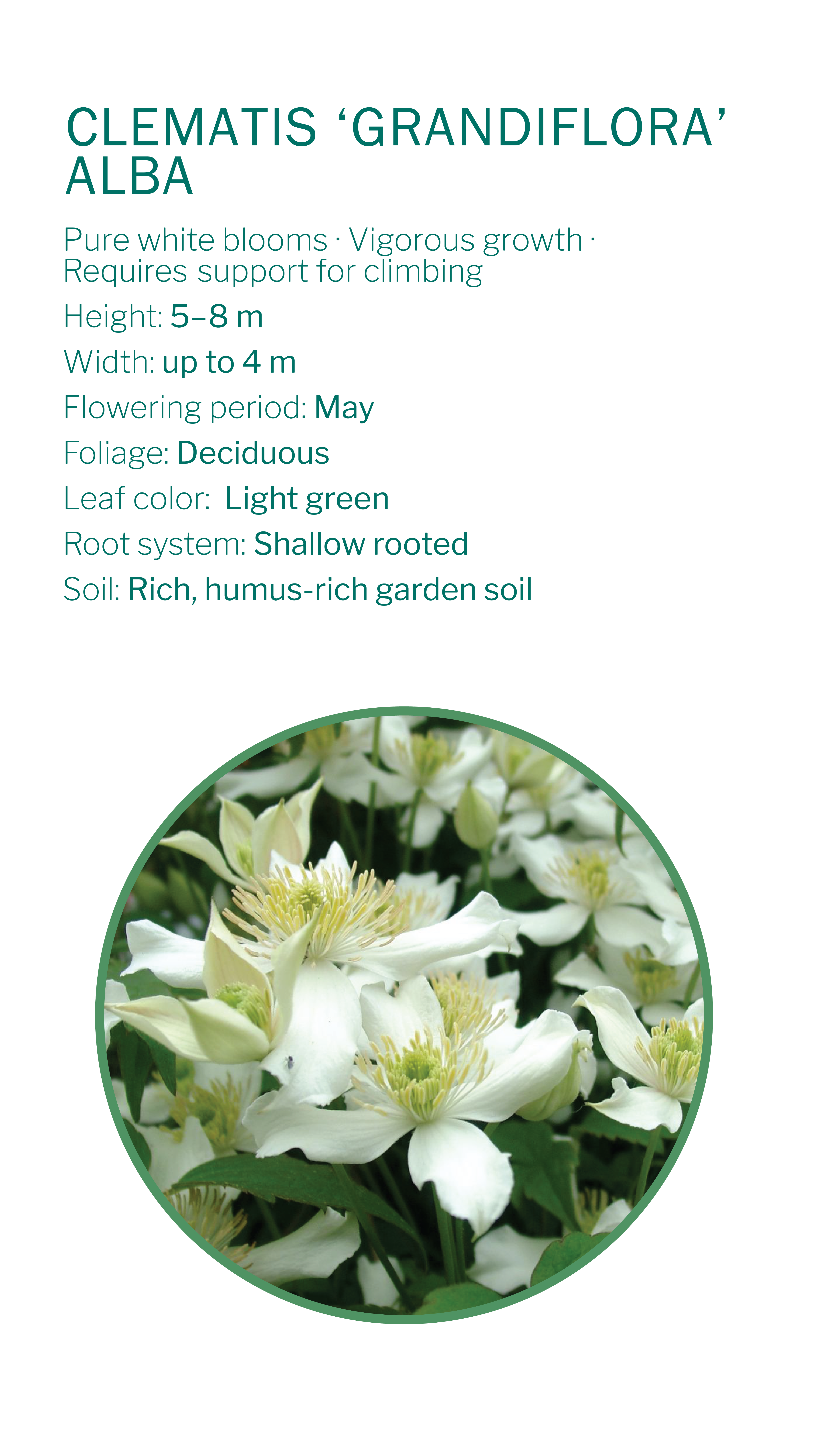
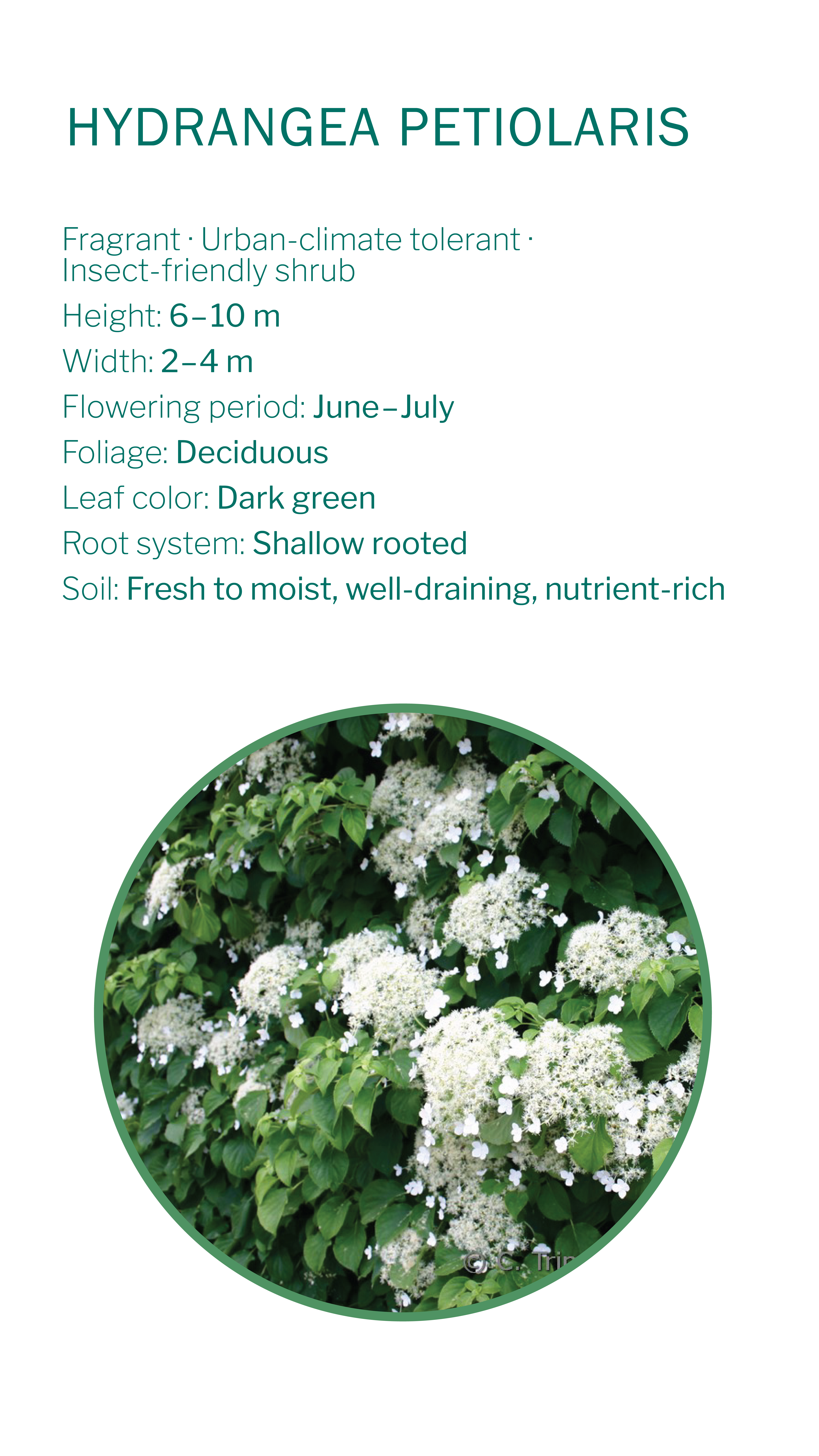
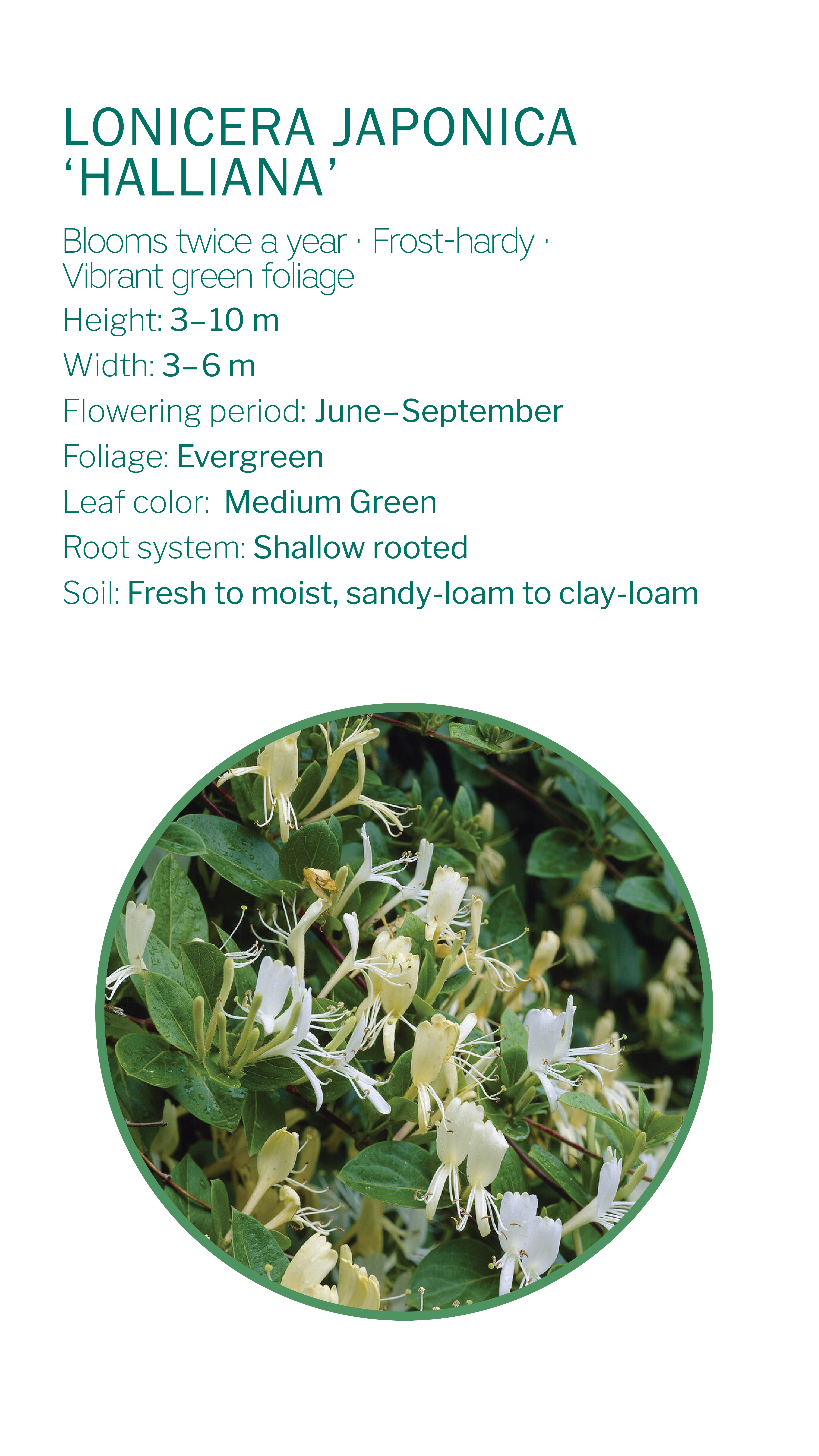
Different climbing plants can be combined: flowering, evergreen or seasonal.
The structures change throughout the year, making each installation a living
and evolving experience.